Fly bites on horses are an unavoidable challenge for horse owners worldwide. These tiny pests can wreak havoc on equine health, causing everything from mild discomfort to severe infections that require veterinary intervention. For anyone responsible for a horse’s care, understanding the different types of fly bites, their effects, and how to shield horses from these relentless insects is not just beneficial—it’s essential. Horses rely on us to protect them from the irritation and potential diseases flies bring, and being well-informed is the first step toward ensuring their well-being.
This comprehensive guide dives deep into the world of fly bites on horses. We’ll explore the fly species responsible for these bites, examine the unique ways they affect horses, and provide actionable strategies for both prevention and treatment. Whether you’re a seasoned equestrian or a new horse owner wondering how to tackle this pervasive issue, this article will equip you with the knowledge to manage and prevent fly bites effectively. Let’s get started!
Flies are more than just a nuisance—they’re a diverse group of insects with over 120,000 species worldwide, many of which have evolved to feed on animal blood. This blood-feeding behavior makes them a persistent threat to horses, especially in warm climates where they thrive. While some flies merely annoy their hosts, others pose serious health risks by transmitting diseases through their bites. For horses, the consequences can range from restlessness and hair loss to life-threatening infections, underscoring the importance of proactive prevention and timely treatment.
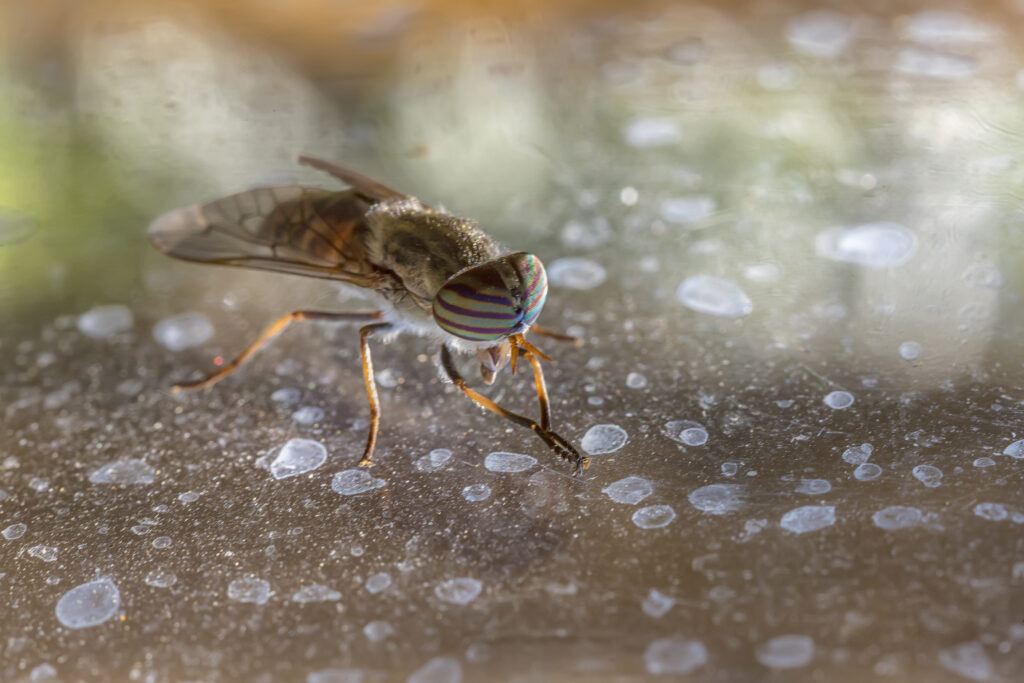
Among the most notorious culprits is the horsefly, a member of the Tabanidae family. Known for their aggressive nature, horseflies are large, robust insects with a reputation for delivering painful bites. Unlike the common housefly, which feeds on surface debris, horseflies have specialized, scissor-like mouthparts designed to slice through skin and lap up the resulting blood. This biting method causes immediate irritation, swelling, and sometimes bleeding, leaving horses vulnerable to secondary infections if the wounds aren’t properly cared for. Horseflies are particularly active during hot, sunny days, making summer a peak season for their attacks.
Did You Know? Female horseflies need blood meals to produce eggs, which explains their relentless pursuit of hosts like horses. A single horsefly can consume up to 200 microliters of blood in one feeding session, and their persistence can drive horses into a frenzy as they try to escape the pain.
Other fly species, such as stable flies and deer flies, share similar blood-feeding habits but differ in their preferred biting locations and the severity of their impact. Understanding these patterns helps horse owners identify the source of bites and choose the most effective countermeasures.

Horses are natural magnets for flies, and there are several reasons why. Spending much of their time outdoors—whether grazing in pastures, training in open arenas, or simply standing in paddocks—horses are constantly exposed to fly populations. Their large size, body heat, and natural odors, such as sweat and manure, act as beacons for flies seeking a meal or a place to lay eggs. Add in the fact that horses move frequently, creating air currents that attract certain species, and it’s easy to see why they’re such prime targets.
Environmental factors play a significant role as well. Fly bites on horses peak in warm, humid conditions, typically from late spring through early fall, when fly populations explode. Stagnant water, decaying vegetation, and manure piles near stables provide ideal breeding grounds, ensuring a steady supply of flies ready to attack. In regions with long summers or mild winters, this problem can persist year-round, requiring constant vigilance from horse owners.
Not all horses are equally affected, though. Breeds with thinner skin, like Thoroughbreds or Arabians, may experience more severe reactions to bites compared to thicker-skinned breeds like draft horses. Additionally, some horses develop hypersensitivity to fly saliva—a condition known as sweet itch or summer eczema—which amplifies the itching and inflammation caused by bites. Recognizing these vulnerabilities allows owners to tailor their prevention strategies to their horse’s specific needs, reducing discomfort and long-term health risks.
Different fly species affect horses in unique ways. Recognizing these bites can help you take swift action and prevent complications. The more you know about fly bites on horses, the better you can protect them from discomfort and disease.
While a single fly bite might seem trivial, repeated exposure affects a horse’s health and behavior. If not addressed, chronic irritation from fly bites can lead to a cascade of problems. For instance, chronic skin conditions often develop when horses scratch incessantly, turning minor bites into open sores prone to infection. Over time, these wounds may scar, altering the horse’s appearance and potentially reducing its value in competitive settings.
Some horses also develop hypersensitivity reactions, where their immune systems overreact to fly saliva. This can manifest as sweet itch, a condition marked by intense itching, hair loss, and thickened skin, particularly along the mane and tail. Managing hypersensitivity requires ongoing care, including special diets, medicated shampoos, and rigorous fly control—a significant commitment for any owner.
Behavioral changes are another concern. Horses tormented by flies may become anxious, restless, or uncooperative, refusing to stand still for grooming or resisting training sessions. In extreme cases, this stress can weaken their immune systems, making them more susceptible to illness. A consistent fly control regimen—combining repellents, environmental management, and protective gear—is vital to preventing these long-term consequences and keeping horses healthy and happy.

Prevention is the best defense against fly bites on horses. By creating a fly-free environment, you can protect your horse from irritation and disease.
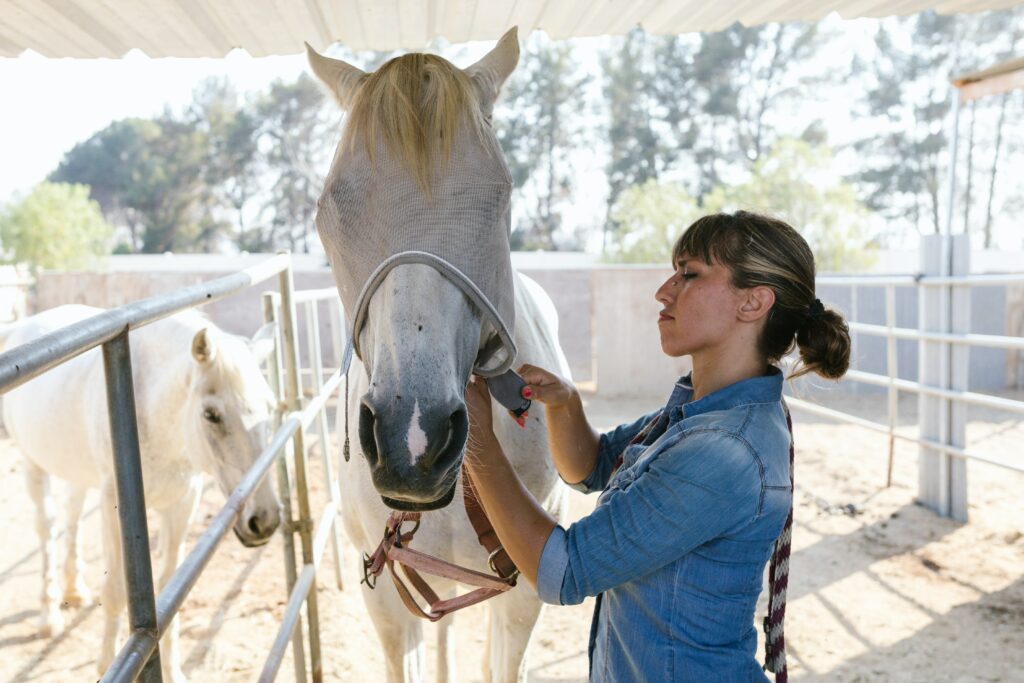
Using an effective fly repellent is essential in protecting horses from insect bites. Look for veterinarian-approved solutions that create a barrier against flies without irritating the horse’s skin. Natural alternatives, such as citronella-based sprays, can help deter insects while being gentle on the coat. Additionally, fly-repellent ointments can be applied to sensitive areas like the face and legs for added protection. Always choose products specifically formulated for equine use to ensure safety and effectiveness.
A horse’s diet plays a vital role in its ability to combat insect-related stress. Adding garlic or apple cider vinegar to feed may help deter flies naturally.
Fly bites on horses are more than just an annoyance—they pose serious risks to your horse’s health. By understanding the different types of fly bites on horses, recognizing symptoms early, and implementing preventive measures, you can safeguard your equine companion.
To help maintain healthy skin and a strong coat, AniViva® Animal Serum delivers essential minerals that nourish and support your horse’s skin integrity, promoting overall well-being and comfort.
Remember: Always consult a veterinarian for personalized advice on your horse’s health and insect protection strategies.
For more information on AniViva® products, visit: AniViva Official Website.