
For many people, having a pet is an essential part of their life. Pets bring joy, love, company, and, depending on what kind, a decent amount of physical activity. These rings true more specifically with dog owners. Every dog breed needs at least 30 minutes of daily physical activity, such as walking once a day. Many dog breeds require a lot of attention from their owner and constant care, such as baths and grooming. Now, if people go out of their way to make sure their dog has all his needs covered, why is it that most still feed their dog standard pet food? A dog’s nutrition is key to a healthy and happy life.
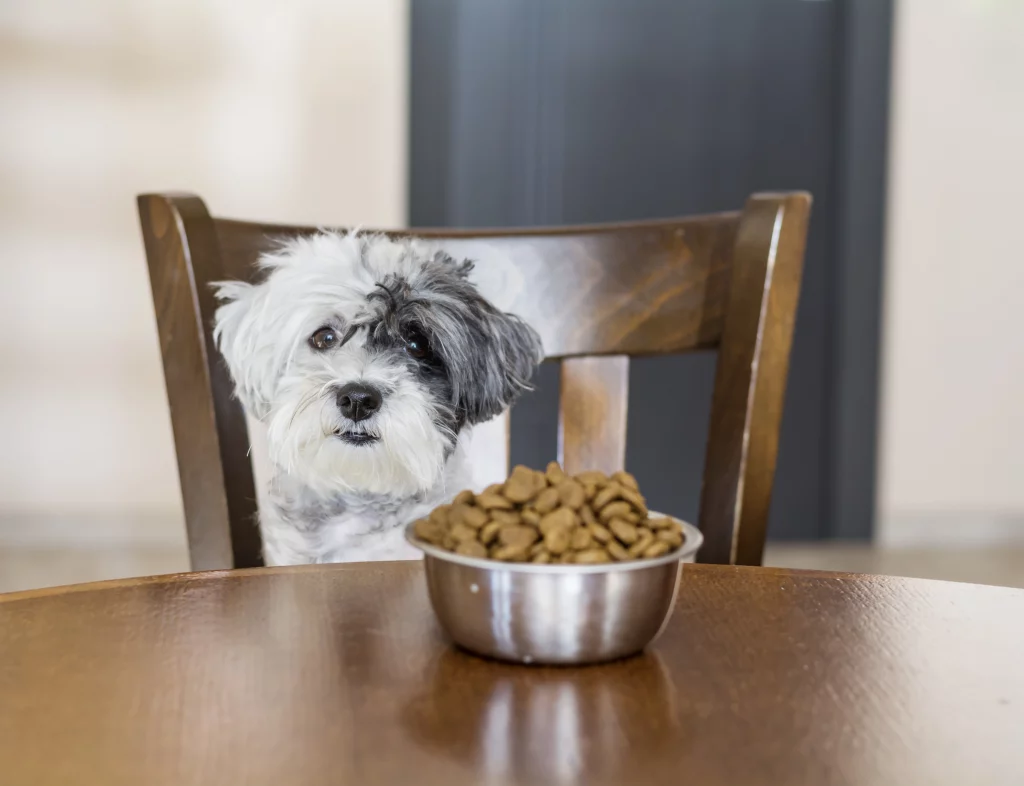
Sometimes it can be challenging and even overwhelming when choosing the right food for your dog. Groceries stores are often stacked row upon row of different dog food brands that all claim to be the best and number one for your pet. Not all pet owners take a sufficient amount of time to read or research what ingredients they’ll be giving to their pet and go with the cheapest option. This can be dangerous for a dog’s nutrition.
Even some higher-quality brands can cause health problems if not fed the proper portions. Dogs are also known to be more resilient and can eat many things their breed is not supposed to—one of these things being the most popular form of pet food out there, Kibble for Dogs?
For many people, having a pet is an essential part of their life. Pets bring joy, love, company, and, depending on what kind, a decent amount of physical activity.
These rings true more specifically with dog owners. Every dog breed needs at least 30 minutes of daily physical activity, such as walking once a day. Many dog breeds require a lot of attention from their owner and constant care, such as baths and grooming.
Now, if people go out of their way to make sure their dog has all his needs covered, why is it that most still feed their dog standard pet food? A dog’s nutrition is key to a healthy and happy life.
Some dogs can be picky about what they eat. For many dogs, this isn't usually an issue, since they will eat anything you put in front of them.
However, some dogs are very particular about the food that they eat which can make things difficult when it comes to switching foods, like my pup for example. She had some stomach problems in the past and would get very sick if she ate too quickly.
Comparing kibble for our dogs to human fast food is not a stretch. You won’t find the best dog food in the form of dry, hard pellets. Kibble might be the easiest and cheapest form of dog food, but it is by far the worst out there:
"How much should I feed my dog?” is a question that almost every dog owner contemplates at one point or another. How much to feed your dog based on its age, size and various other factors can be confusing if you have never looked into it before, so we have provided a breakdown that will hopefully answer any questions that you might have about how much a day to feed your puppy or adult dog.
— How big is my dog?
— How old is my dog?
— How active is my dog?
— Is my female in heat?
The amount of food for each individual pet depends upon the breed, weight, metabolism, activity level, and age of the animal. The best way to calculate how much food an individual.
Pet needs is to weigh the pet and then use a formula that takes into account the weight and activity level of the pet.
A good rule of thumb when feeding puppies is to feed them three times per day until they are six months old, then reduce feedings to twice a day. Adult dogs can usually be fed once or twice a day, depending on their activity level.
When calculating how much food your dog needs, you should also take into account if your female is in heat, as this increases the dog's energy requirements.
It's important to remember that the amount of food your dog needs is variable based on different factors, so even if you are feeding according to these guidelines, you should still monitor whether your dog is gaining or losing weight. Remember, if, in doubt, it is always best to consult your veterinarian.
If you have a small breed dog, it will generally need less food than a larger breed dog. For example, a 3-month-old Shih Tzu pup only requires about 1/4 cup of food per day, while an 8-month-old Labrador Retriever may need up to 3 cups (0.71 l) per day.
The easiest way to determine how much food your dog should be eating is to weigh it and use a formula based on weight and activity level. The American Kennel Club provides the following formula:
(Age in years) x (30) = the number of calories required daily. The figure that results from this calculation is the caloric requirement for maintenance; i.e., to maintain weight.
If your dog needs to lose weight, cut back on his food by 10%. If your dog needs to gain weight, increase its food by about 10%. This should be done gradually over a period of weeks so as not to cause your pet harm.
When deciding how much food to give your dog, it's best not to leave food out all day because dogs can become overweight very easily if they snack between meal times. While working with your veterinarian, you'll develop an individual feeding schedule that works best for both you and your dog…
The amount of food for each individual pet depends upon the breed, weight, metabolism, activity level, and age of the animal. The best way to calculate how much food an individual. Pet needs is to weigh the pet and then use a formula that takes into account the weight and activity level of the pet. A good rule of thumb when feeding puppies is to feed them three times per day until they are six months old, then reduce feedings to twice a day. Adult dogs can usually be fed once or twice a day, depending on their activity level.
Kibble for dogs? Just like humans, the best dog food will always consist of a healthy and balanced diet. Your dog’s diet should include fresh, whole foods made from human-grade ingredients. A raw food diet is one option for healthy dog food. Raw food is easily absorbed and digested by your pet and contains many vitamins and nutrients that cooking can destroy. Just because humans cook our food and benefit from it doesn’t necessarily mean our pups will, too.
We need to choose the best products for the general health of our pets. Apart from food, we must also take care of their skin and coat with the ideal products.