
Spring is pulling up! Since unpredictable weather reigns, hotter days could come our way. That is why keeping your friendly-adorable dog safe is a priority. In the past, you might have had a routine where shaving the dog seemed logical. However, doing so can bring discomfort to your canine pet because it may make it harder to cool off.
Accept the invitation to read and stay around this session to learn whether shaving the dog is okay.
Depending on where you live, summer can be daunting. Your dog is panting, hairs are everywhere, and you consider that cutting off its fur will be doing it a favor. Sorry, but that is a wrong train of thought since a dog differs from how a human cools down.
Shaving the dog is not necessary. Its coat serves as a protector against heat, cold, and bugs. On the contrary, a closed shave exposes them to danger, vulnerable to sunburn and bites from insects or fleas that may lead to skin infections.
Do you have a long-hair dog breed? Learn about their coat and how to groom them.
There are two types of coats your pet might have, and it also weighs in to determine if it’s okay to be shaving the dog.
These types of dogs have soft, inner hair close to their skin which serves as an insulating layer to help in keeping them warm in cold weather and cool in hot temperatures.
Want to know if your friend is double-coated?
And thus, summer days mean shedding the underlayer. What remains will help ventilate between the two coat layers, regulating the body in a heat wave.
Did you know that the outer coat consists of longer hair that doesn’t shed much and gives your pet its color?
Before picking up shaving tools, know that they can cause long-term damage. Shaving down to the skin creates conflict when the “hair” in the undercoat grows back faster, overcrowding the slower-growing outer coat.
It may change the texture and color of a dog’s coat. Do not leave your pet friend with patchy, unattractive fur!
Know whether your pet is single-coated. It can either be short or long hair; wiry, smooth, or curly; and overall even-looking hair with no soft undercoat.
Occasional trim done by a professional groomer is helpful to keep them cool. Though, it isn’t a green light to shave it down to their skin. Doing so leaves them vulnerable to sunburn and unprotected from outdoor aggressors.
Single-coated breeds do not have the added insulation of an undercoat, so they need their fur to protect them.
If your pet is an outdoor canine with a matted coat and exposed to wet circumstances, then shaving might be helpful to prevent myiasis - maggots that develop in the fur.
Before doing it yourself, the rule is to seek professional help to make the best decisions for the lives of our best friends.
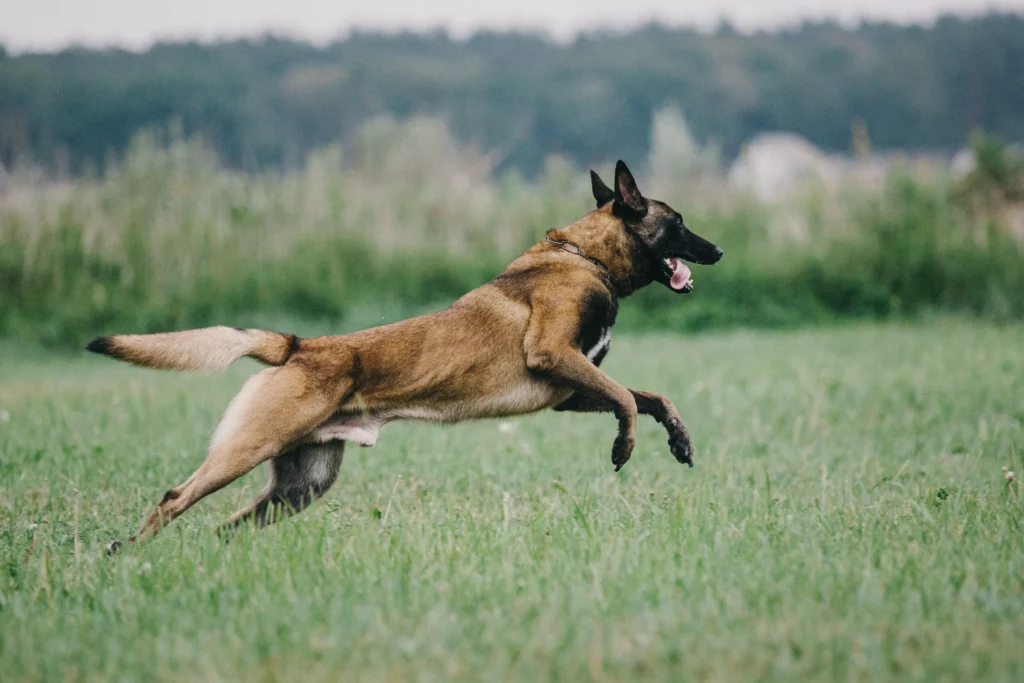
Shaving doesn’t have leverage on cooling them down since their anatomy differs from humans. Instead, dogs rely on panting to regulate their temperature.
Another trick up their sleeve is vasodilation which is blood vessel expansion that aids in cooling off their ears and face, in particular. Blood vessels expand and bring hot blood closer to the skin’s surface.
Their sweat glands, merocrine, are located only in your pet’s paw pads and are active when the canine is hot to cool it down.
Instead of shaving the dog, how about a few tips for Summer survival?
If you are and consider it a must, at least leave an inch's worth of coat to prevent sun damage to your pet. In most cases, ask for advice and veterinarian approval before getting the scissors. You are better off following simple tips to help your pet feel comfortable in any type of weather and environment.
Keep your pet healthy in soaring temperatures by grooming them routinely.
Trust our pet skin moisturizers to enhance a healthy coat. Smooth and soft to the touch, giving you a pleasant grooming experience for your pet and you.
Learn more about AniViva® Pet Series and talk to your veterinarian about its use. It concentrates minerals Zinc-Copper-Magnesium with other vitamins to help protect and maintain a shiny-healthy coat!